
Pre-operational Inspection – Guidance for Maximizing Sanitation Effectiveness
Written by Carlos Rios | 2020
Pre-operational inspection (pre-op) is an essential prerequisite program in an establishment’s sanitation program. All facilities should implement a functional pre-op program that includes both visual and microbial testing to verify the effectiveness of the sanitation program.
Pre-operational inspections are typically conducted at the following frequencies:
- Before the start of the production day for facilities that perform full sanitation daily.
- During changeovers when different allergens are introduced, and the allergen matrix cannot be followed due to scheduling challenges.
- When new equipment that has not been previously used is introduced for use.
The Basics
The following basic concepts should be considered and applied during each inspection activity:
- Take your time and be thorough.
- Production should NEVER begin if a pre-op inspection has not been completed.
- No personnel other than sanitation and QA/QC should enter the area until pre-op has been completed.
- Utilize a bright LED flashlight.
Use Your Senses
Sight, smell, and touch are critical sensory attributes that can quickly uncover cleaning issues. Bare hands have an advantage over using gloves as gloves cannot detect grease and other soils effectively.

Zone-Based Inspection
All areas within the production environment should be inspected as part of the process, with additional emphasis on areas in zones 1 and 2.
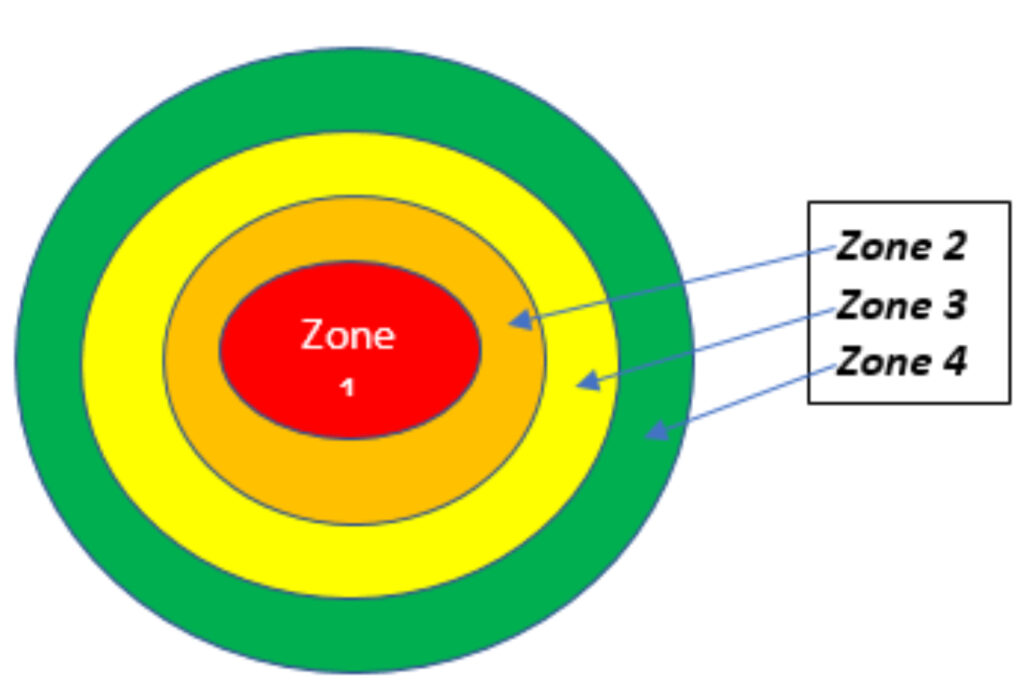
Zone 1 – Food Contact Surfaces These areas are considered food contact and directly contact food. Examples include conveyor belts, utensils, grinders, blenders, packaging machines, hoppers, slicers, and worktables.
Zone 2 – Indirect Surfaces These areas are in close proximity to Zone 1 areas and include equipment framework, employee clothing/PPE, condensate pans, equipment control panels, floor drains, and air handling equipment.
Zone 3 – Areas within the Processing Environment These areas include forklifts, hoses, air ventilation, trash cans, and pallets.
Considerations for Equipment & Surrounding Areas
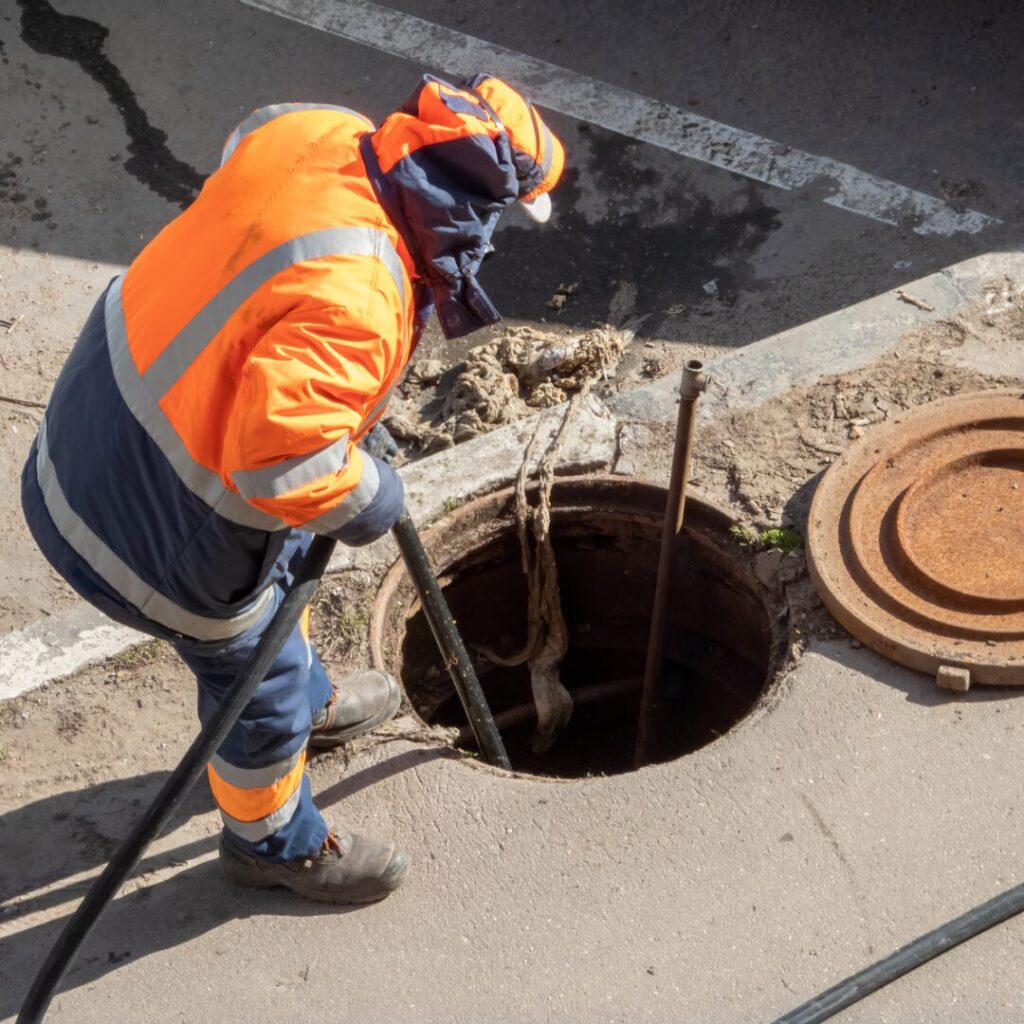
Drains
- Are drains free of debris and mineral buildup?
- Are the covers and baskets free of debris?
- Are there any “off” odors?
- Are quat/iodine rings/blocks in the drains?
Structural Issues
- Are there cracks or holes that can harbor microbes and organic material?
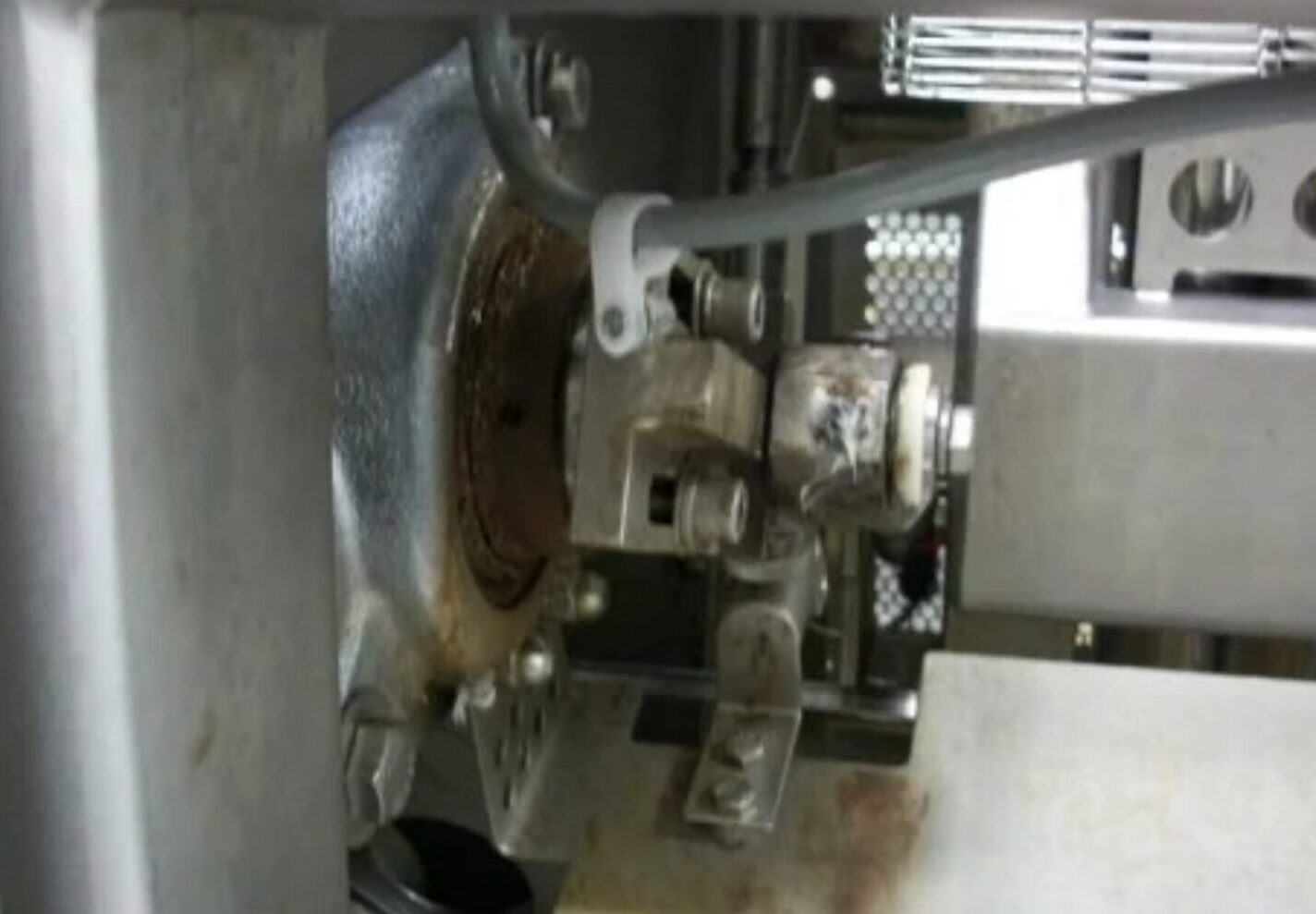
- Is there peeling paint/sealant, rust, or mineral buildup?
- Is there pooling water resulting from poor drainage?
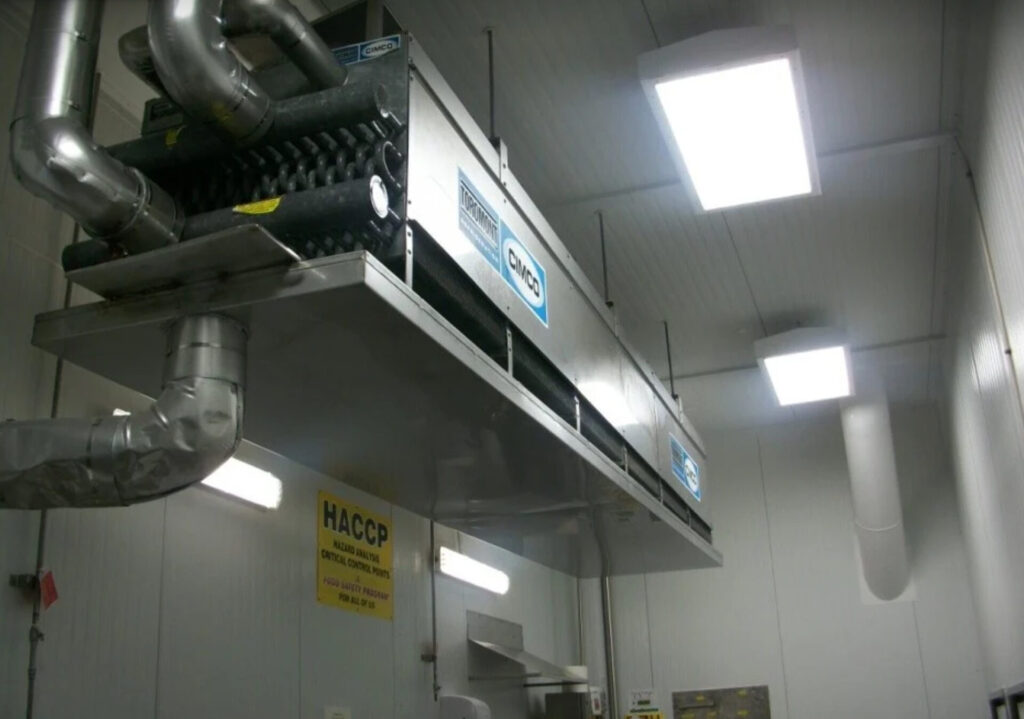
Overhead HVAC Units
- Are coils clean?
- Is the catch pan clean?
- Are the fans free of debris, rust, and flaking paint?
Walls & Ceilings
- Has condensation been adequately removed?
- Is all pipework exiting the ceiling properly sealed?
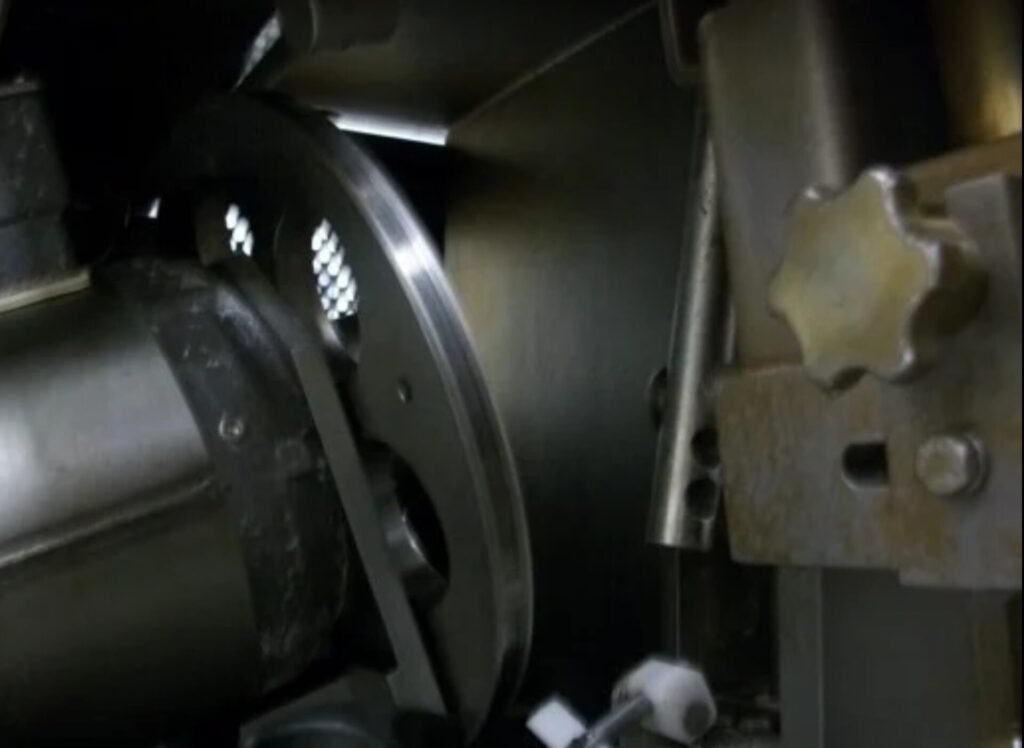
Equipment
- Are welds in sanitary condition?
- Are wheels and support structures clean?
- Are seals intact and clean?
- Are bearings free of excess grease and organic materials?
- Has all chemical residue been completely rinsed?
- Have doors/hatches been inspected?
- Have belts and frameworks been inspected, and is there excessive wear?
Testing After completing a visual inspection, micro testing is essential to further verify that the pre-op program is functioning as intended. There are multiple testing options available to quickly determine if an area is ready for operations.
- ATP Testing: This quick and easy verification detects organic soil that was not adequately removed during the cleaning process.
- Protein Testing: This quick verification method is used to detect any protein residue left after cleaning.
- Total Plate Count, Fungi & Environmental Testing: These methods require additional time for results but are critical for determining the effectiveness of the entire sanitation program on a microscopic level.